


Frequently Asked Questions About Classes and Extra-murals
Children are generally placed according to their age and developmental stage. This allows teachers to plan routines, activities and learning experiences that are appropriate for each group while still responding to individual needs.
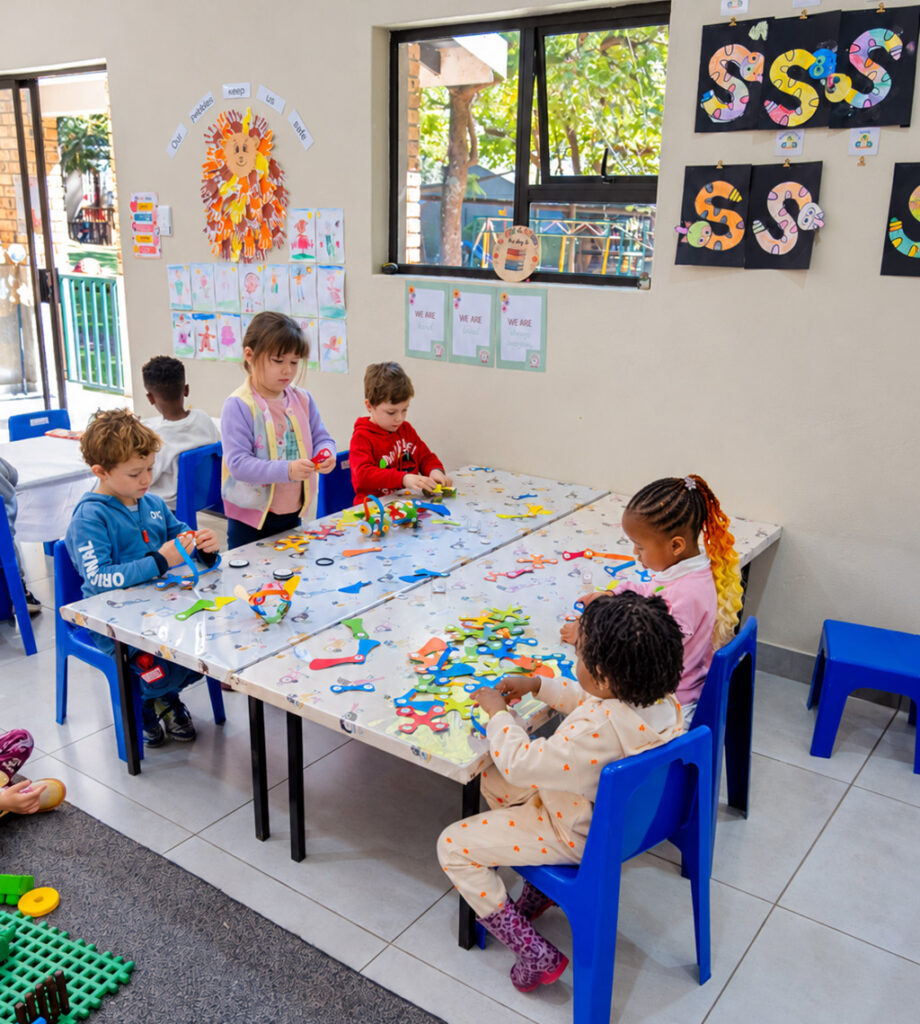
Small classes allow teachers and assistants to know each child personally, notice their progress and provide more individual guidance. This helps children feel secure, included and confident enough to participate, explore and learn.
Teachers observe children as part of their everyday classroom activities and play. Formal progress reports are issued at the end of the first, second and fourth terms, while school-readiness assessments are conducted twice a year for the relevant age group.
Children develop early numeracy, literacy and life skills through age-appropriate learning and play. The programme also supports concentration, communication, independence, coordination and social confidence, helping children build the foundations needed for formal schooling.
Yes. Everwood has a large playground where children can run, climb, ride bikes and play with their classmates. These activities support gross motor development, balance, coordination, confidence and social skills.
Everwood’s current extramural options include ballet, Soccer Starz, swimming, Karate 4 Kids, Playball, Gym Kids, Tumbling Tigers, Music Box and Dance Mouse. Availability may depend on the child’s age and the minimum number of participants required.
Yes. The listed extra-murals take place on the Everwood timetable during weekday mornings, making it easier for children to participate without families needing to arrange separate afternoon activities.
Most extramural activities are optional and charged separately. Playball operates as a co-curricular activity for children from the Red class upwards, with Everwood subsidising part of the cost and parents paying the stated monthly contribution.
Some activities are available from six months old, including swimming, Playball and Music Box. Other activities begin from three years old. Children are grouped according to age, ability or the requirements of the activity.
Some activities require a minimum number of children before they can take place. If the minimum is not reached, Everwood will confirm whether the activity can proceed or whether parents need to choose another option.